Gaters Mill
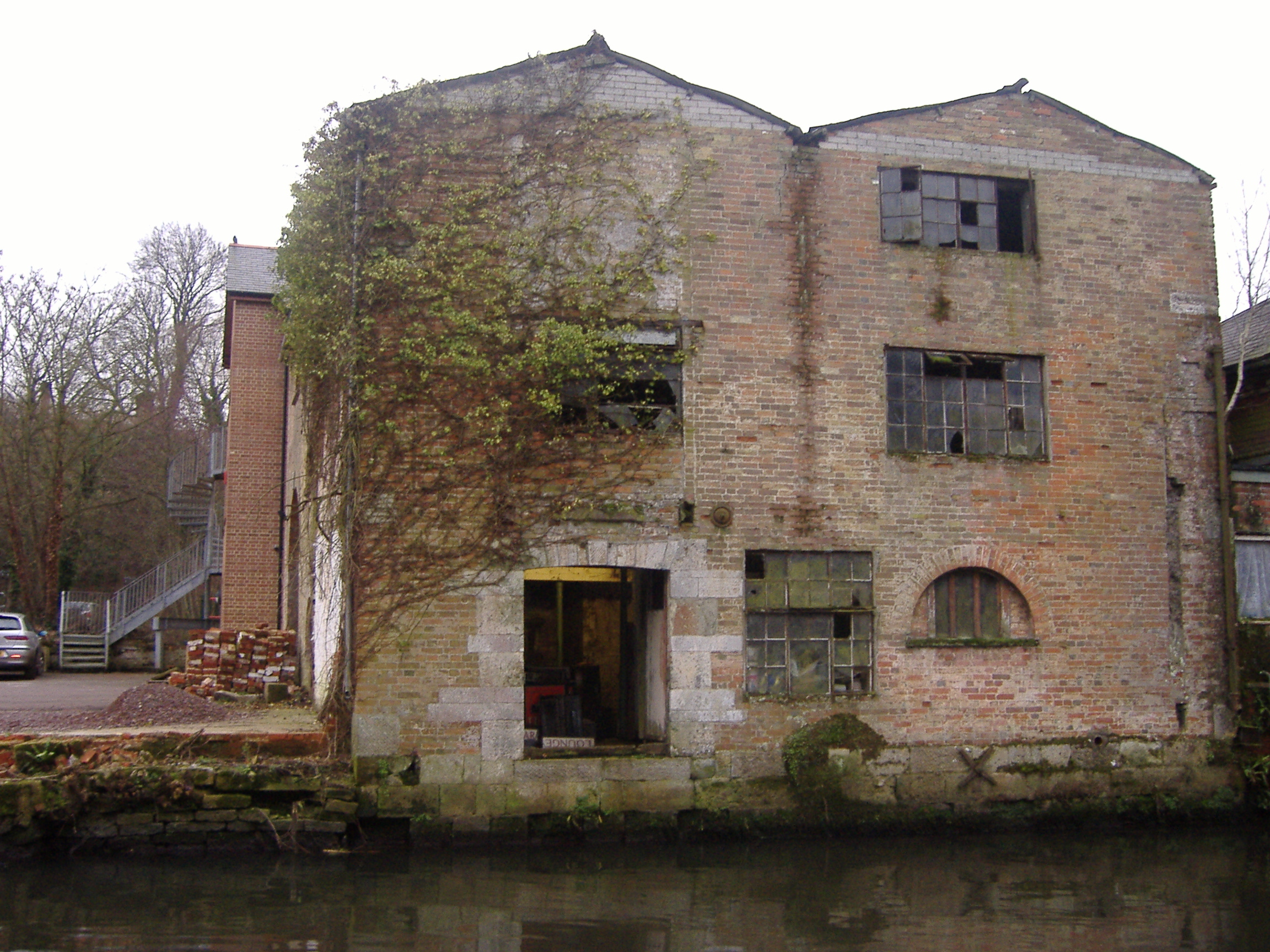
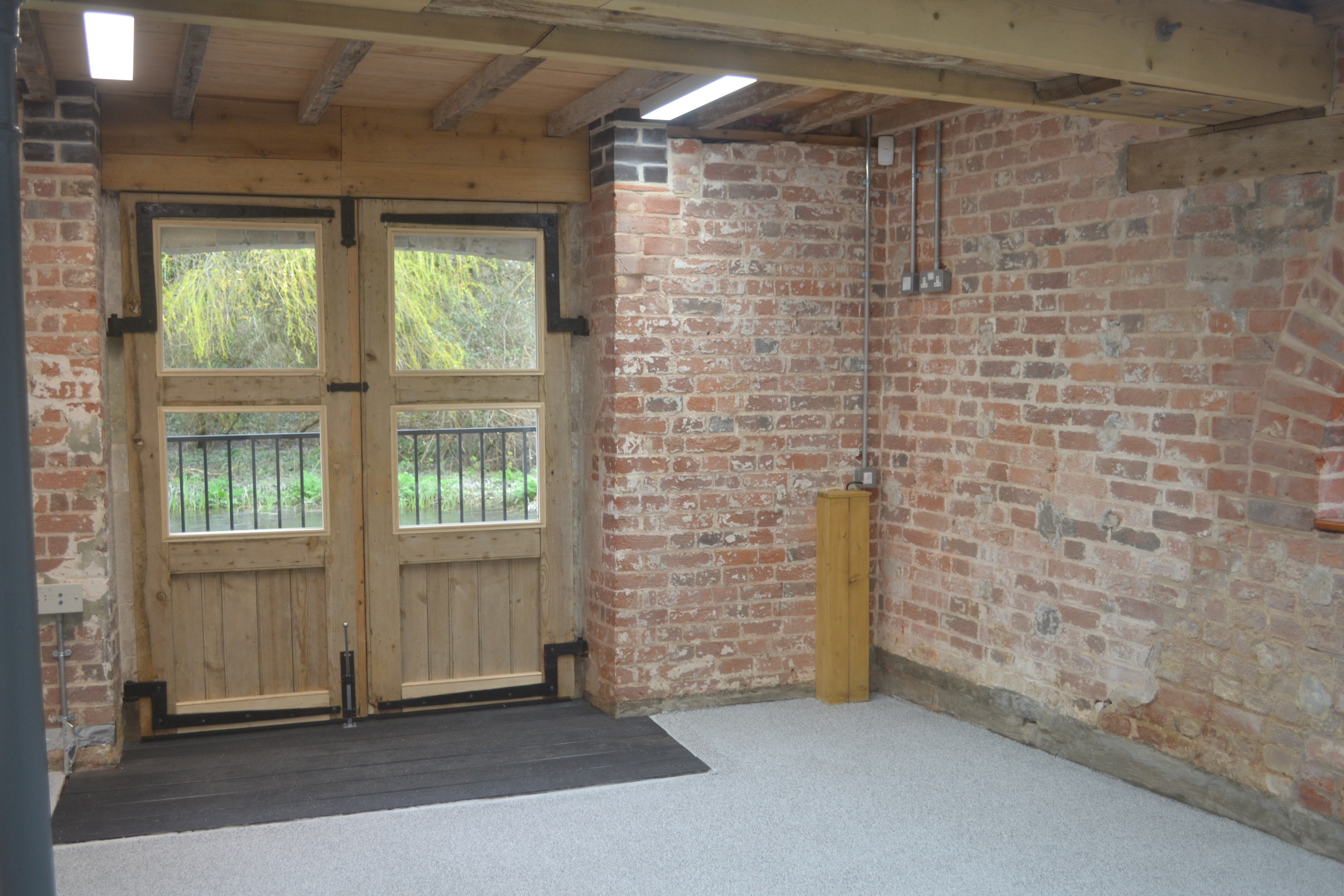
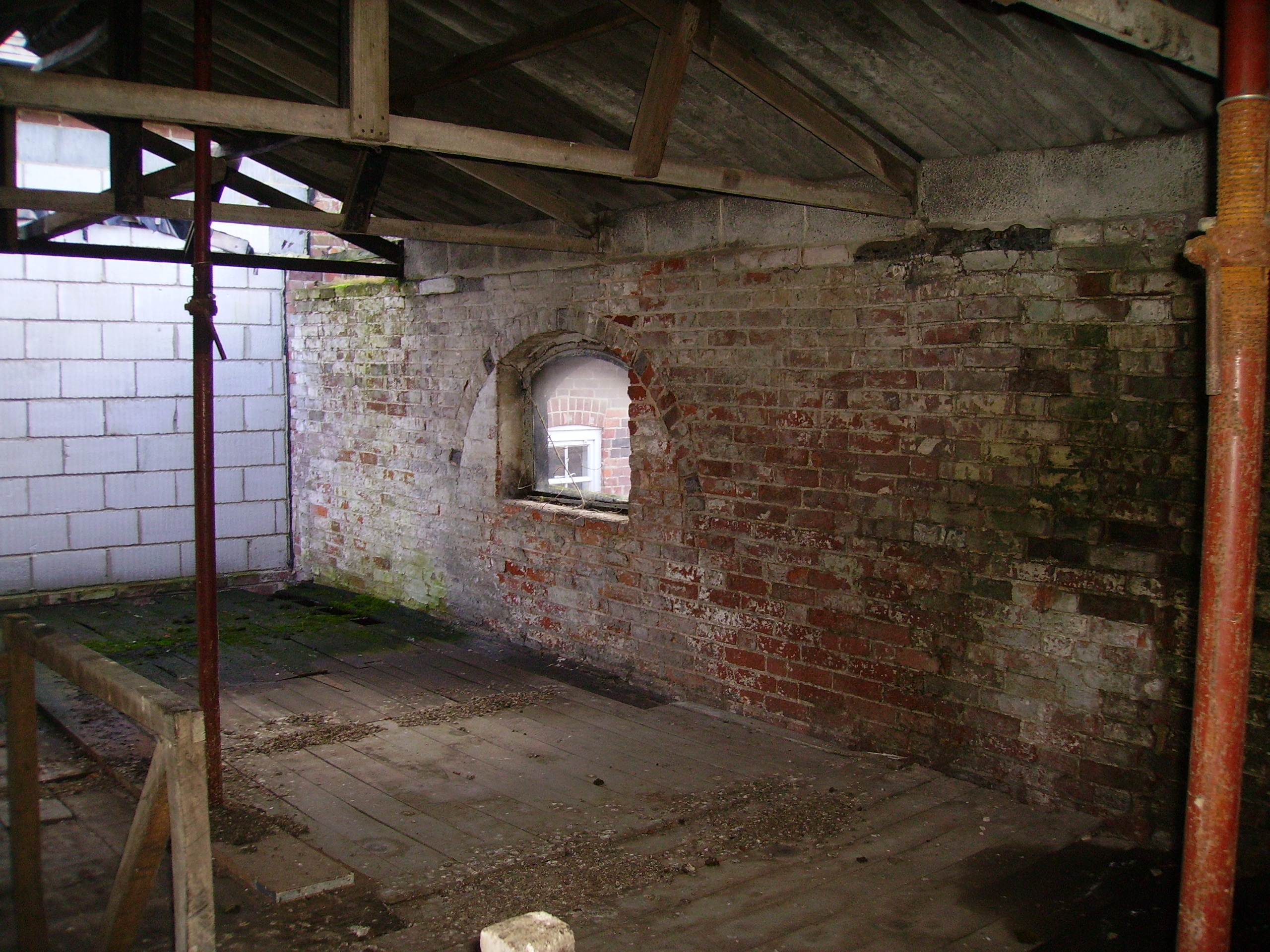
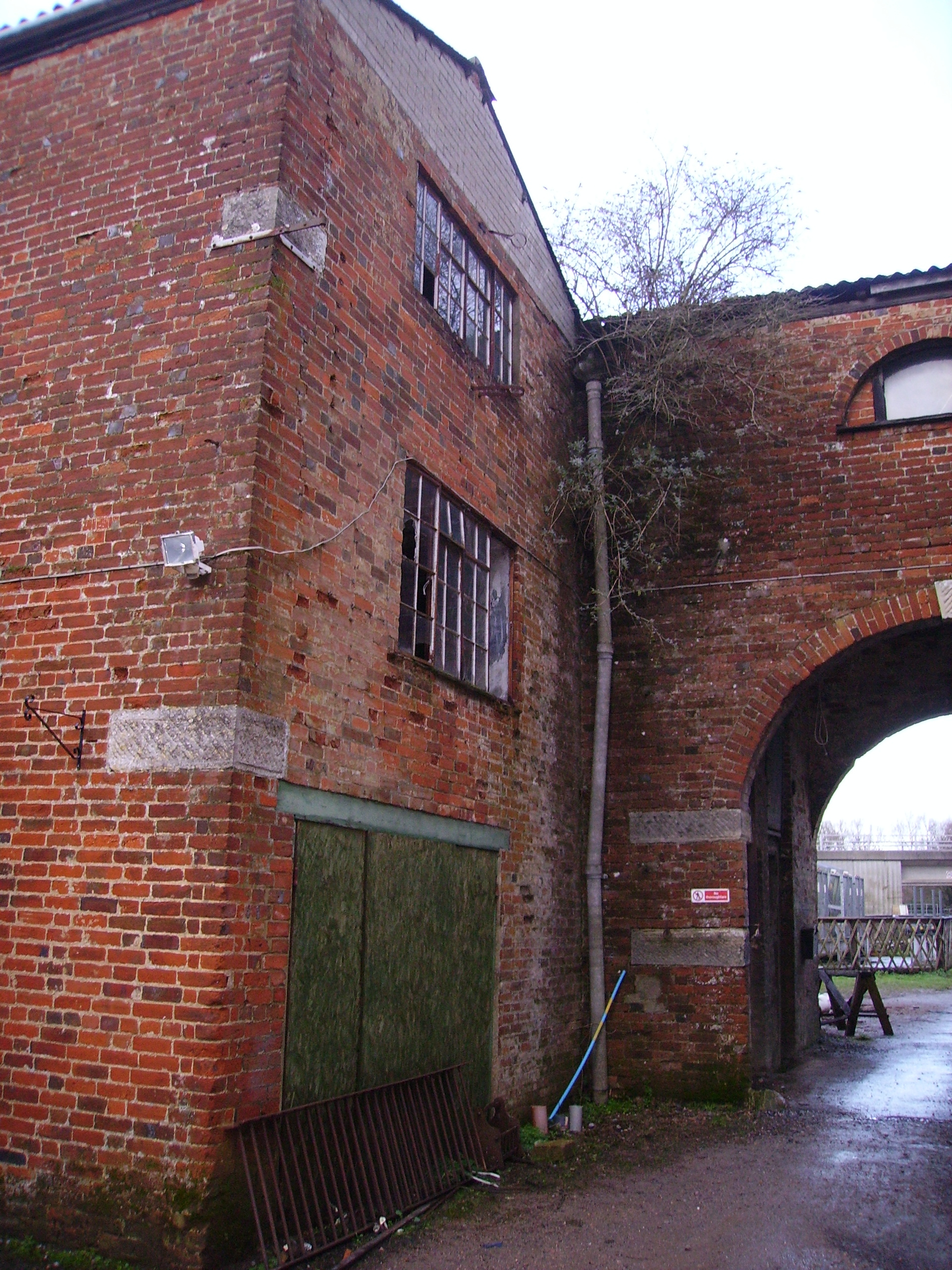
The first mention of a mill on this site was in the year 941. It was in the Extend of North Stoneham Parish granted to Hyde Abbey which said of a “mylle place at Northe Mannysbrygge”(Mansbridge). Though the centuries the mill has been known as Mansbridge Mill, Upmills, South Stoneham Mill, West End Mill and finally Gaters Mill. At the time of the Doomsday Book in 1086 the boundary was changed and the mill was then situated in the parish called South Stoneham occasionally also known as Bishops Stoneham this was held by the bishop of Winchester, it was still in the hands of the bishop in 1476. In the 1600s the mill was known as Upmills and described as a great paper mill, flock mill and corn mill, the mill was owned by Henry Bromfield and William Pearcy. By 1685 the mill was described as a Fulling Mill. Also in this year of 1685 they sold the mill to Adam de Cardonell, Elias de Grouchy and Nicholas Dupin for the sum of £406 and become the base for the white paper makers company. In 1686 a charter to make paper was granted to the company by James II. There were 15 members of the company, 9 of whom were Huguenots (French Protestants) who fled their country because of persecution of their faith. In 1696 an inventory shows the site to comprise of 4 paper mills, three of the names of the mills were Salisbury Mill, Upper Mill and Middle Mill. Each mill had 2 wheels, there were 3 workhouses, 3 warehouses, drying lofts, lodgings, brewery etc and employed about 30 people most of who lived in. The inventory shows seven types of paper were made, these were Elephant, Writing Demy, Great Horn, Morleaux, Foolscap, Printing Demy and Small Horn the most popular size appearing to be Morleaux. It is estimated that Upmills produced in the region of six thousand reams of paper a year. By 1700 Hampshire had ten paper mills all engaged in producing brown paper with the exception of Upmills which made white paper. In 1702 one of the company members Gerald De Vaux Frenchman was living at South Stoneham Mill. Here he was joined by another Huguenot by the name of Henry Portal who joined the company. A few years later Henry set himself up at Laverstoke. In 1724 he obtained the contract for making bank-note paper for the Bank of England which his descendants still hold. In 1757 Henry Ball was making paper at the mills. Later on in the 1700s the mill was owned by John Bond, by now it was known as west end mill. On the 20th February 1772 John Bond sold the mill to John Gater when the purchaser was stated to make machine and hand-made writing paper of good quality. Under the new ownership it did indeed initially made good quality paper and by 1813 it was a considerable paper factory and was probably one of the oldest if not the first seat of the industry in Hampshire. The mill was known to excise authorities as no 158 West End, in the Isle of Wight collection with John and Edward Gater paper makers in charge, it was also around this time that the mill was being known as Gaters Mill. In 1851 there was only one beating engine at work. In 1860 John Gater and company were still producing writing paper hand and machine made. In 1865 paper making came to an end, but flour milling continued. There have been three fires at the mill; one in 1866 and the others in 1917 and 1945. In 1908 the mill was still being used for the production of corn and was owned by another member of the Gater family another John Gater. In 1938 the mill was owned by R.S. Collins. In 1945 the mill suffered another fire bringing an end to over one thousand years of mill production at the site. In 1954 R.S. Collins sold the mill to the present owners the Lower Itchen Fishery. A lot of work has been done by the present owners to refurbish and in some cases rebuild the mill. The main fishing lodge at the entrance to the fishery used to be the Mill managers office and the old hatchway in the kitchen area was used to hand out the pay to the mill workers. The river keeper’s cottage used to be the cow shed and hay lofts. The mill is now not used for production purposes, but has now been transformed into high class office accommodation but still retaining all its character giving an air of peace and tranquillity about it.
Turbine House
The Turbine House was a five storey building and formed part of the mills complex. In 1917 a fire demolished a substantial amount of the mill buildings and at this time we believe that the top floors of the Turbine House were also lost, with the building being reduced to its present two and a half stories. The Turbine House was built with water flowing underneath both sides of the building where two horizontal turbines are still located. Above each turbine is a large vertical wheel/cog and workings. We believe the two existing turbines were installed in 1908 they bear an oval plaque giving the manufacturers name of Messrs Blome of Oldham. The water running under the buildings was controlled by two sluice gates which were wound up and down using wheels at the rear of the building. The turbines were last used to generate power around 1938-1945, but unfortunately were not powerful enough to run machinery. Shortly after the war the turbines were concreted over to improve the run of water through the spillways in which the turbines sit. This was done to try and ease the build up of silt and weed which had taken place in the River Itchen during the war years through lack of maintenance. The water from the spillways can be seen exciting through openings under the building if you look over the railings.
Lower Itchen Fishery
In the early 1950’s Granville Martin Howard purchased several lots of land and river directly upstream of Gaters Mill making one continual fishery, he dredged the river of silt and debris built up after the war and then restored the river bank. When this was completed he installed a track next to the river extending upstream. The last purchase he made was Gaters Mill itself, this gave easy access to the property and so the Lower Itchen Fishery was born. Originally he and three or four friends ran the fishery and enjoyed the fishing. On the 5th April 1958 the River Itchen record salmon was caught from the fishery weighing an incredible 43lb, it was 47 inches long with a girth of 25 inches; the captor was T. W. Mimpriss. The cock fish was caught from Evans pool in a raging snow blizzard with the river in flood, this record still stands to this day. Incidentally on the 27th February 1952 Mr Howard caught a 49lb salmon from the Royalty Fishery on the Hampshire Avon at Christchurch which also to this day is still the record for the river and one of the largest salmon ever caught in England. The Lower Itchen Fishery consists of 5300 yards of mainly double bank fishing, making it the longest continual fishery on the river still in private hands. It is still owned and run by the same family with Mr Howards Grand Daughter, Lyndsey Farmiloe as M.D. of the Company. Set amidst a picturesque country park setting, it has become a World renowned Fishery providing wonderful fishing for salmon, sea trout, trout, grayling and many species of coarse fish. The entire length of the River Itchen is designated a Site of Special Scientific Interest (SSSI). The river is also a European Designated Special Area of Conservation (SAC). The Environment Agency has been quoted as saying “the River Itchen is probably the best example of a chalk stream river anywhere in the World.”
Researched and Written by Tony Timms Royalty Fishery Christchurch 1st May 2010.